
Urban Homesteading for Beginners: Your Roadmap to Self-Sufficiency
Ever dreamed of a homesteading life but thought it was impossible in the city? Think again! Urban homesteading is taking the world by storm, and you’re not alone in this green revolution. Did you know that 35% of U.S. households are now growing their food? That’s right – more than one in three of your neighbors might be secret gardeners.
Welcome to your crash course in urban homesteading – where concrete jungles meet vegetable gardens, and apartment dwellers become modern-day pioneers. Ready to turn your small space into a thriving urban garden? I know I was!
My journey began with a few humble herbs on my windowsill, and now? Well, I may not be the Tomato Whisperer, but I successfully grow tomatoes in small spaces. So, grab your gardening gloves and let’s start this amazing journey together!
Key Takeaways
- Urban homesteading is about growing our own food and living sustainably, even in small spaces.
- Start small and set realistic goals to avoid feeling overwhelmed.
- Please be careful and check your local regulations and legal considerations before starting.
- Get creative with limited space using vertical gardening and container gardens.
- Engage with the community for support and more urban homesteading ideas.
What is Urban Homesteading?
Picture this: You wake up, step onto your balcony, and pick a juicy vine-ripe tomato for your morning omelet. Basil for seasoning? It’s from the herb planter hanging right next to your kitchen window. That’s urban homesteading in a nutshell – bringing the self-sufficient lifestyle of traditional homesteading into the city or suburbs.
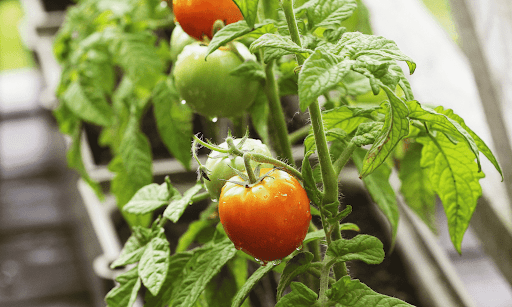
Urban homesteading embodies a self-sufficient lifestyle, blending sustainability with practicality.
Urban homesteading is all about:
- Growing your food (even in tiny spaces)
- Reducing waste and living sustainably
- Embracing DIY and self-reliance
- Building community and sharing skills
Why bother, you ask? Well, besides the obvious cool factor (who doesn’t want to impress their friends with homegrown salsa?), urban homesteading offers real benefits for your health, your wallet, and the planet:
- Fresher, healthier food: Nothing beats the taste of a tomato picked from your balcony garden.
- Money savings: Growing food wisely helps stretch your grocery budget.
- Environmental impact: Reduce your carbon footprint one homegrown carrot at a time.
4. Stress relief: Gardening is nature’s therapy, folks.
5. Connection to your food: Know exactly where your food came from.
Now, you might be wondering, “What’s the difference between urban and suburban homesteading?” Good question! It’s mostly about space. Urban homesteaders might be working with a balcony or small backyard, while suburban folks might have more outdoor space for a garden bed or even keep bees. But the principles? They’re the same. It’s all about making the most of what you’ve got.
Getting Started: Urban Homesteading for Beginners
Alright, eager gardener, ready to jump in? Hold that thought! Starting small is the best way to succeed. Before you start planting your first seeds, let’s talk about strategy.
Assess Your Space and Resources
First things first, take a good look around. What are you working with?
- A sunny windowsill? Hello, herb garden!
- A balcony? Container garden paradise.
- A small yard? Vertical gardening or raised beds could be your new best friend!
Don’t forget to consider your time and energy too. Urban homesteading can be as time-consuming as you want it to be. Start small and build up – Rome wasn’t built in a day, and neither is a thriving urban homestead.

Start Small: Setting Realistic Goals
Look, we get it. You’re excited. You want to be 100% self-sufficient by next Tuesday. But let’s pump the brakes a bit. Starting small is the key to long-term success. Here’s a game plan:
- Pick one or two projects to start with. Maybe it’s an herb garden and composting.
- Master those basics before moving on.
- Gradually add new projects as you gain confidence and experience.
Remember, even growing a single tomato plant is a step towards self-sufficiency. Whether it’s adding an extra container of herbs to your balcony or experimenting with vertical gardening in your yard, each small step counts.
This lifestyle isn’t just about growing your own food; it’s about making mindful choices towards your ideal homesteading adventure, whether you’re tending a windowsill herb garden maximizing your small backyard garden.
Legal Considerations and Local Regulations
Before you build a chicken coop or start selling your extra zucchini at the farmer’s market, do your homework. Every city and HOA has different rules about:
- Keeping livestock (yes, chickens count)
- Selling homegrown produce
- Water use and collection
Composting
For those in apartments, check rules around container gardening, balcony composting, or rainwater collection to avoid potential conflicts. It’s always better to know the rules than to ask forgiveness when it comes to urban homesteading.
Cultivating Your Urban Garden
Alright, it’s time to dig in! Whether you have a sunny windowsill, a small patio, or a compact backyard, there’s a gardening solution that fits your space and lifestyle. Urban gardening is all about creativity and maximizing every inch.
Designing a Small Space Garden Layout
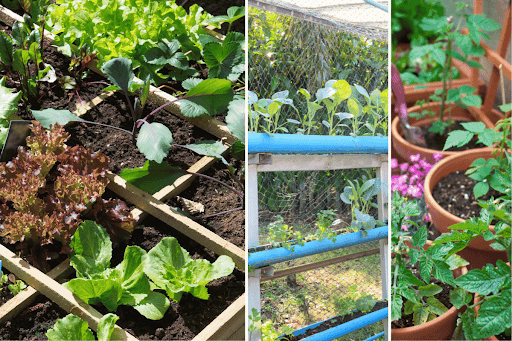
When space is at a premium, start with flexible, beginner-friendly solutions:
- Container gardening: No yard? No problem! Use pots or planters to transform any sunny spot into a thriving garden.
- Vertical gardening: Think up, not out! Hang planters on walls, use trellises for climbing plants, or even repurpose household items like shoe organizers.
- Square foot gardening: A systematic way to maximize yield in minimal space.
As you gain confidence, you can experiment with advanced techniques:
Raised beds: Perfect for small backyards and easy on the back
Choosing the Right Plants for the Urban Homesteader

Not all plants are created equal when it comes to urban or suburban homesteading. For compact spaces, prioritize crops that thrive in containers or vertical gardens, such as tomatoes, peppers, and herbs. Look for plants that:
- Give high yields in small spaces
- Are easy to grow (especially for beginners)
- Produce food that fit your tastes and needs (no point in growing kohlrabi if you won’t eat it)
Some urban gardening superstars include:
- Tomatoes (perfect for containers or trellises)
- Leafy greens (lettuce, kale, spinach—all fast-growing and versatile)
- Herbs (basil, mint, parsley—great for windowsills and small pots)
- Peppers (compact and productive)
- Beans and peas (ideal for vertical growth)
If you have room, consider compact perennials like dwarf fruit trees, berry bushes, or a small planter of perennial herbs. They’re the gift that keeps on giving!
Vertical Gardening Techniques for Maximum Yield
Vertical gardening is an urban homesteader’s secret weapon—it lets you grow more while using less space. Whether you’re working on a balcony, in a backyard, or inside by a sunny window, vertical gardening can transform small spaces into productive gardens.
Here are some simple and creative techniques to try:
- Trellises: Ideal for vining plants like cucumbers, beans, and peas. A few stakes and some twine can go a long way!
- Hanging baskets: Perfect for trailing tomatoes, strawberries, or herbs. Great for balconies or patios.
- Living walls: Repurpose a wooden pallet or install a vertical planter to turn a blank wall into a lush, edible masterpiece.
- Tiered planters: Use tiered shelves or stackable containers to maximize growing space while adding visual interest.
Vertical gardening doesn’t have to be complicated. Try using everyday items like ladders, old crates, or hanging shoe organizers to create your setup.

Sustainable Living Practices for Urban Homesteaders
Urban homesteading isn’t just about growing food—it’s about creating a more sustainable lifestyle, even in the middle of a bustling city. Start small with simple projects like a rain barrel or a compact compost bin, then explore larger ideas in the DIY Projects section.
Implementing Water Conservation Methods
Implementing Water Conservation Methods
Water is precious, especially in areas that experience drought. Here’s how to make every drop count:
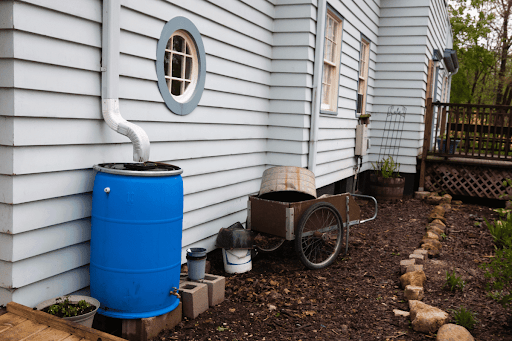
- Rainwater harvesting: Set up a rain barrel to collect roof runoff. Your plants will love it!
2. Greywater systems: Reuse water from your washing machine or shower for irrigation.
3. Mulching: Keeps soil moist and reduces watering needs.
4. Drip irrigation: Delivers water directly to plant roots, minimizing waste.
Incorporating Renewable Energy Solutions
Ready to harness the power of nature? Here are some ideas:
- Solar panels: If you own your home, consider investing in solar energy.
- Solar-powered outdoor lights: A small step with a big impact.
- Energy-efficient appliances: Look for the ENERGY STAR label when it’s time to upgrade.
Clotheslines: Let the sun and wind do your drying for free.

Reducing Waste Through Upcycling and Recycling
One person’s trash is an urban homesteader’s treasure. Get creative with:
- Composting: Turn kitchen scraps into black gold for your garden.
- Upcycling: Old pallets become raised beds, and wine bottles become garden edging.
- Eco-bricking: Stuff non-recyclable plastics into bottles to create building materials.
One person’s trash is an urban homesteader’s treasure. Turn everyday items into valuable tools for your homestead. Use old jars for storing herbs or seeds, upcycle pallets into vertical planters, or transform wine bottles into garden edging. These small steps can reduce waste while enhancing your garden’s functionality.
Advanced Tip: For those looking to take it a step further, try eco-bricking. Stuff non-recyclable plastics into bottles to create building materials. While this takes more effort, it’s a great way to repurpose materials that would otherwise go to waste.
From Garden to Table: Cook from Scratch
You’ve grown it, now it’s time to eat it! Cooking from scratch is a key part of the many homesteading skills you will acquire. Get ready to start crafting your homestead kitchen – a place where fresh ingredients meet creativity and self-sufficiency. Whether you’re whipping up a salad with greens from your windowsill or canning tomatoes from your backyard garden space, your kitchen is about to become the heart of your urban homestead.
Even if you don’t have a garden yet, visiting a farmers’ market or local co-op is a great way to start incorporating fresh, seasonal ingredients into your meals.
Meal Planning with Homegrown Produce

The secret to using your homegrown bounty? Plan ahead! Here’s how:
- Know what’s coming: Keep a garden journal to track what’s ready when.
- Be flexible: Mother Nature doesn’t always stick to schedules.
- Plan meals around your harvest: Got zucchini coming out of your ears? Time for zucchini bread, zucchini noodles, stuffed zucchini…
- Learn to love leftovers: Cook once, eat twice (or more).
Preserving Your Harvest: Canning and Fermenting Basics
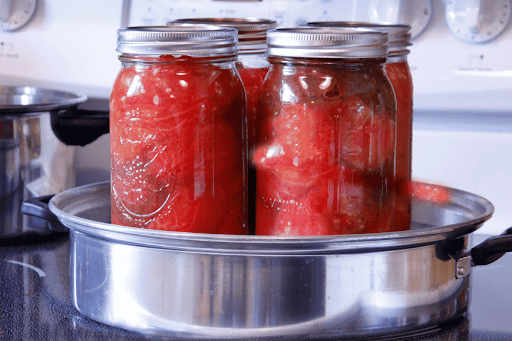
When life gives you too many tomatoes, make sauce! Preserving helps you enjoy your harvest all year round. Here are some methods to try:
- Canning: Great for tomatoes, jams, and pickles.
- Fermenting: Try making your own sauerkraut or kimchi.
- Freezing: Works for most vegetables and fruits.
- Drying: Herbs, fruits, and even some veggies can be dehydrated.
Start with small batches and easy recipes. Before you know it, you’ll have a pantry full of homemade goodies!
Efficient Meal Prep for Busy Urban Homesteaders
Let’s face it, even urban homesteaders have busy days. Here’s how to eat well when time is tight:
- Batch cook: Make big batches of soups, stews, or casseroles and freeze portions.
- Prep ingredients in advance: Wash and chop veggies on the weekend for quick weeknight meals.
- One-pot meals: Less fuss, less mess, more time to enjoy your urban oasis.
- Embrace the slow cooker: Let it do the work while you’re out tending your garden.
Embracing an Eco-Friendly Lifestyle

Urban homesteading is about more than just food – it’s a whole lifestyle shift towards sustainability.
Transitioning to Sustainable Fashion Choices
Fast fashion? Not for you, eco-warrior! Here’s how to green your wardrobe:
- Seek out sustainable brands: Look for companies committed to ethical production and eco-friendly materials. Many offer stylish options that align with your values.
- Choose natural, organic fibers: Organic cotton, hemp, and bamboo are earth-friendly options that feel great and last longer.
- Invest in quality: Opt for well-made pieces that will stand the test of time. It might cost more upfront, but you’ll save in the long run.
- Care for your clothes: Proper care extends the life of your garments. Learn how to wash and store different fabrics correctly.
- Embrace minimalism: Build a capsule wardrobe of versatile pieces that mix and match easily. Less is often more!
- Repair and upcycle: Learn basic mending skills or find a local tailor. Breathing new life into old favorites keeps them out of landfills.
- Consider renting for special occasions: For those one-off events, renting can be a more sustainable option than buying.
Remember, sustainable fashion is about making mindful choices that align with your homesteading values. Every eco-friendly wardrobe decision is a step towards a more sustainable lifestyle!
Natural Beauty and Personal Care Products
Who needs a drugstore when you have a garden?
Crafting personal care items at home is like a mini-science experiment.
Try making your own:
- Lip balm (beeswax + coconut oil + shea butter)
- Face masks (mashed avocado, honey, oatmeal)
- Hair rinses (rosemary or chamomile tea)
- Tooth powder (baking soda + dried herbs)
Always patch test homemade products before full use.

Creating an Eco-Friendly Home Environment
Your home is your homestead – make it a green one:
- Switch to natural cleaning products (or make your own with vinegar and baking soda).
- Use LED light bulbs and unplug electronics when not in use.
- Insulate well to reduce heating and cooling needs.
- Install programmable thermostats
DIY Projects to Enhance Your Urban Homestead
Roll up those sleeves, it’s project time! Here are some DIY ideas to take your urban homestead to the next level.
Building Raised Beds and Container Gardens
No yard? No problem! Here’s how to create space to grow a garden:
- Raised beds: Great for small yards. Use untreated wood, bricks, or galvanized metal containers.
- Self-watering containers: Perfect for balconies or patios.
- Vertical pallet garden: Upcycle a wooden pallet into a space-saving herb garden.
- Window boxes: Bring your garden right up to your kitchen.
Raised beds are perfect for managing soil quality and offer flexibility. Remember, drainage is key for any container. Don’t forget to drill those holes!
Roll up those sleeves; it’s project time! Not ready for a full raised bed? Start with a simple DIY herb shelf for your balcony or create a compact compost bin for kitchen scraps. These beginner-friendly projects are a great way to build confidence and skills.
For more ideas on sustainable practices like composting and rainwater collection, check out the section on Sustainable Living Practices.

Create a Compost System for Small Spaces
Black gold for your garden, right from your kitchen scraps! Here are some small-space composting options:
- Vermicomposting: Let worms do the work in a compact bin.
- Bokashi: Ferment your scraps in an airtight bucket.
- Compost tumbler: Easy turning for faster decomposition.
Whatever system you choose, remember the balance: green materials (kitchen scraps) + brown materials (dry leaves, paper) = compost magic.
Constructing a Rain Barrel for Water Conservation
Why let good water go to waste? Here’s a quick guide to making your rain barrel:
- Get a food-grade barrel (55-gallon drums work great).
- Cut holes for the spigot and overflow pipe.
- Install a screen to keep out debris and mosquitoes.
- Connect to your downspout and watch the savings flow in!
Always check local regulations before installing a rain barrel. Some areas have restrictions or require permits.
Cultivating Community in Urban Homesteading
Urban homesteading isn’t just about self-sufficiency – it’s about building a more sustainable community.
Joining or Starting a Community Garden
No space at home? No problem! Community gardens offer:
- Larger growing areas
- Shared resources and knowledge
- A chance to meet like-minded folks
To find a community garden near you, check with your local parks department or search online databases. No garden in your area? Rally your neighbors and start one!
Urban homesteading isn’t just about self-sufficiency—it’s about building a more sustainable community. If a local community garden isn’t an option, explore online forums, social media groups, or virtual meetups to share tips, trade seeds, and celebrate your urban homesteading journey.
Engaging Kids in Urban Homesteading Activities
Get the whole family involved! Kids love:
- Planting seeds and watching them grow
- Watering plants with their own special watering can
- Harvesting vegetables (and eating them straight from the plant)
- Cooking simple recipes with harvested produce
- Craft projects using natural materials
Remember, gardening with kids is about the process, not perfection. Let them get dirty and have fun!

Networking with Fellow Urban Homesteaders
You’re not alone in this journey! Connect with other urban homesteaders through:
- Local gardening clubs or urban farming groups
- Online forums and social media groups
- Workshops and classes at community centers or garden stores
- Seed and plant swaps
Share your successes, learn from others’ mistakes, and build a community of like-minded folks.
Nurturing Your Urban Homestead: The Journey Continues
Whew! We’ve covered a lot of ground, haven’t we? From windowsill herb gardens to backyard chicken coops, urban homesteading is a journey that can transform not just your home, but your entire lifestyle.
Let’s recap the key takeaways:
- Start small and grow gradually. Remember, even a single potted tomato plant is a step towards self-sufficiency.
- Make the most of your space, whether it’s a sunny windowsill or a suburban backyard.
- Embrace sustainable practices like water conservation and waste reduction.
- Get creative with DIY projects to enhance your urban homestead.
- Connect with your community and share the journey.
- Don’t be afraid to try advanced techniques as you gain experience.
Urban homesteading isn’t just a trend – it’s a lifestyle encouraging creativity and resilience. We’ve shared a snapshot of this adventure, setting the stage for future in-depth articles. Expect tales of success and failure, sprinkled with practical advice. Ready to dig deeper? Together, we’ll explore new horizons, from crafting homemade soaps to perfecting vertical gardens.
Remember, every tomato you grow, and every drop of rainwater you harvest is a step towards a more sustainable future. You’ve got this, urban homesteader!
Now go forth and grow!